The two questions that decide it
Forget the "ICSE is harder, CBSE is easier" myth. The real question is: (1) what does your child actually enjoy learning, and (2) what does your post-board pathway look like?
Curriculum philosophy
CBSE follows the NCERT framework — concise, application-oriented, with a clear focus on board-exam preparation. The curriculum updates relatively quickly as NCERT revises textbooks.
ICSE (the Council for the Indian School Certificate Examinations) emphasises depth and breadth — longer textbooks, more in-class essays, separate Geography and History papers in middle school instead of a combined Social Studies subject.
Evaluation style
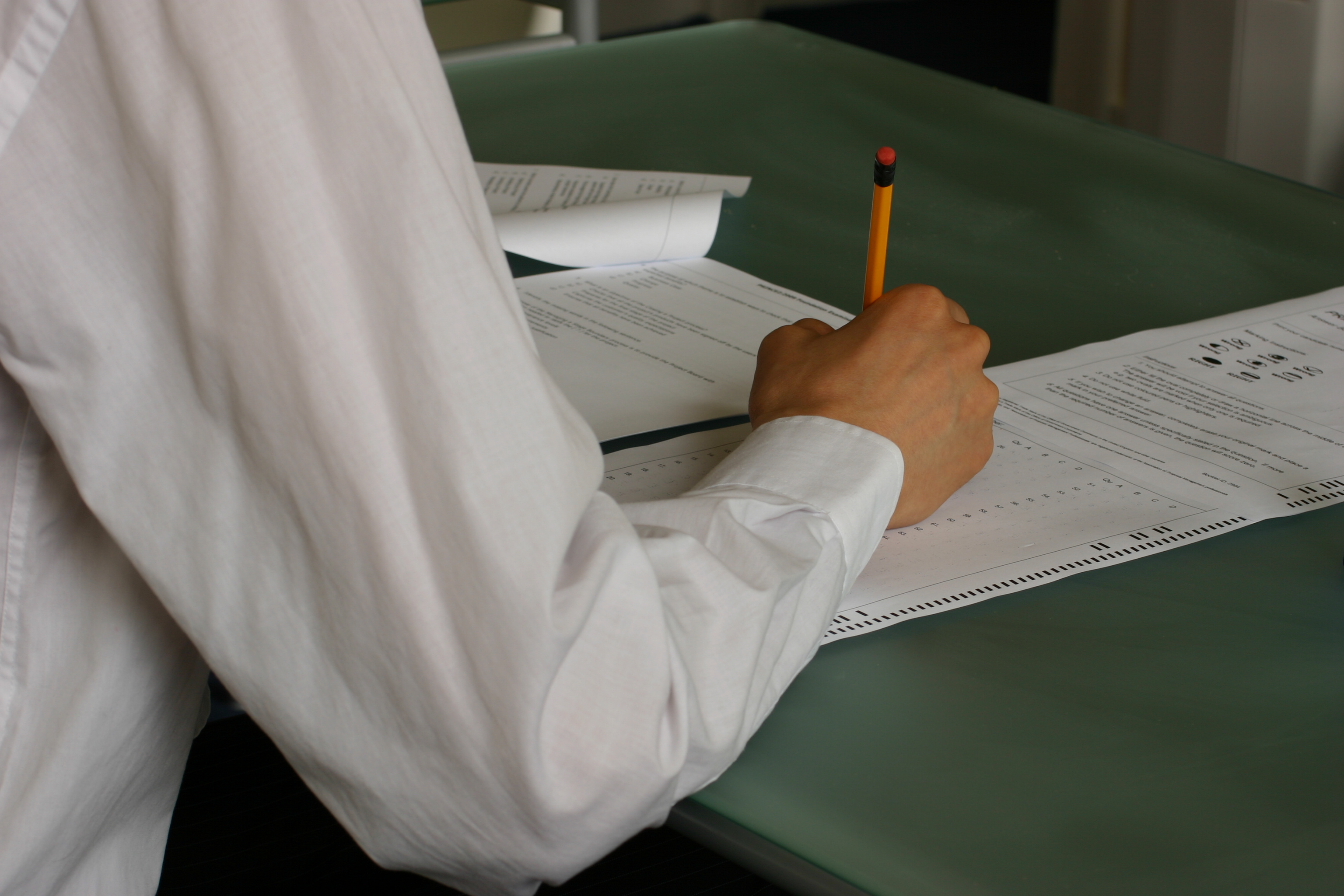
CBSE Class 10 board exams have moved heavily toward MCQ + competency-based questions since 2024. The internal assessment carries 20% weight. Marking is generally less subjective.
ICSE retains longer subjective answers, especially in English Literature and History. The internal-assessment component is also weightier — typically 20% of the final grade — and includes lab-based science assessment.
Language and English
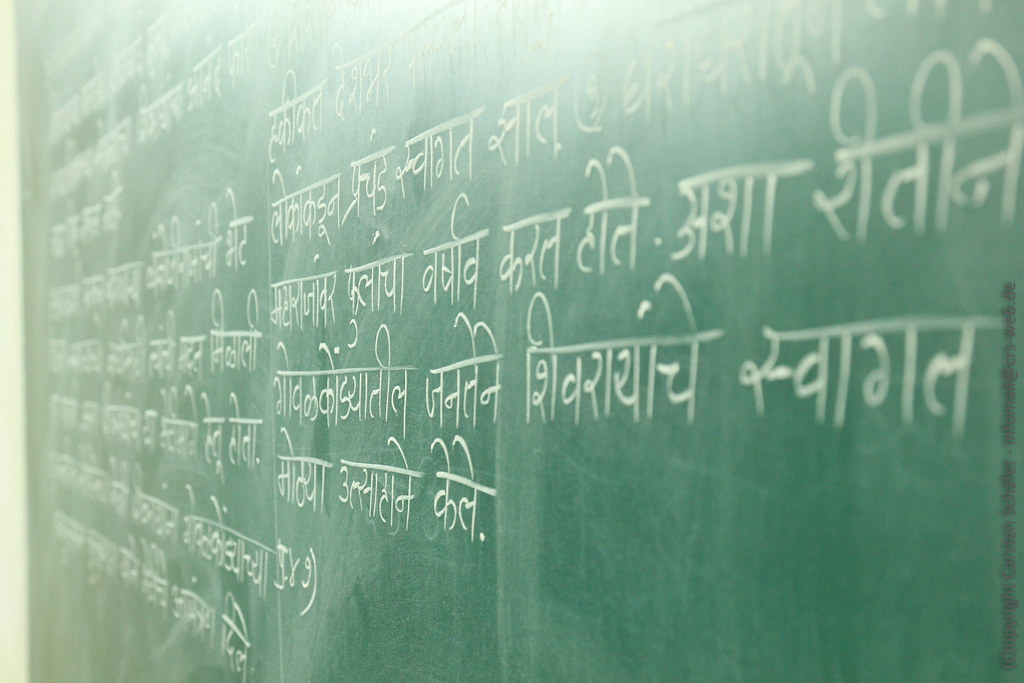
If English fluency is a priority, ICSE has a slight edge — both because of the volume of English coursework and because second-language papers (Hindi, Sanskrit, Bengali, Marathi) demand a higher standard than CBSE's.
Post-Class-10 pathways
Both boards are accepted by every Indian university and competitive exam (JEE, NEET, CLAT). For overseas applications, both are recognised; ICSE is sometimes perceived as "more rigorous" by foreign admissions officers, but the data on actual admit rates does not show a meaningful difference.
The honest summary
Choose CBSE if: your child responds well to structured exam prep, you are targeting JEE/NEET, you will relocate within India and need transferability.
Choose ICSE if: your child loves writing, your school's ICSE branch has a stronger faculty than its CBSE peers in town, or you are considering International Baccalaureate later.